Lesson 3
Advanced DeFi Instruments and Innovations
Unlocking the next wave of decentralized finance through derivatives, RWAs, and composability.

The DeFi space is rapidly evolving. What began with simple lending pools and token swaps has matured into a landscape filled with advanced instruments and highly composable tools. These innovations not only mirror traditional finance, but they also go far beyond it.
At the forefront of this evolution are decentralized derivatives, real-world asset (RWA) tokenization, and the principle of composability: where protocols seamlessly interact like modular building blocks.
Each of these areas opens new doors for utility, growth, and integration between the on-chain and off-chain worlds. Let’s explore how they work — and how the XRP Ledger is positioned to lead in this space.
The section on decentralized derivatives, in particular, ventures into sophisticated territory, blending mathematical precision with on-chain execution in ways that can challenge even seasoned practitioners. If some concepts feel dense at first, that’s by design: DeFi’s true power lies in these layers of innovation. Push through at your own pace and grasp what resonates, revisit the rest, and you’ll emerge with a sharper lens on the decentralized future.
DeFi Derivatives and Synthetic Assets

Derivatives in DeFi allow users to speculate on or hedge against the future price of assets: all without needing to own them directly. Platforms like dYdX have popularized decentralized perpetual contracts and margin trading, enabling users to gain leveraged exposure to major tokens.
Synthetic assets, like those offered on Synthetix, represent on-chain versions of off-chain assets — from fiat currencies to commodities. These instruments allow for broader financial access and risk management strategies.
Total value locked (TVL) in DeFi derivatives has surged in recent periods, including double-digit quarterly gains like the 15% increase highlighted in mid-2025 reports (source: Messari) — a clear sign of the sector’s maturation and its pull for serious users.
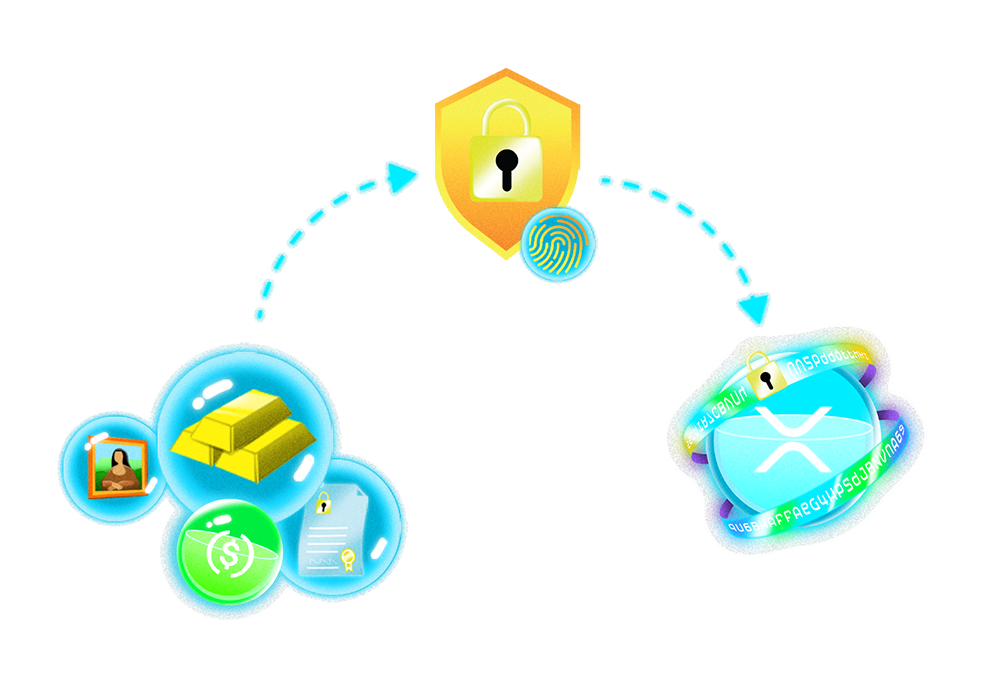
Why do derivatives matter in DeFi? … Because they provide essential tools for risk management, capital efficiency, and market access. Traders can hedge against price swings or amplify positions, while protocols can use derivatives to balance portfolios or manage liquidity.
Even without full custodianship of an asset, users can simulate its exposure: mirroring traditional finance in function, but improving on it with transparency, speed, and decentralization.
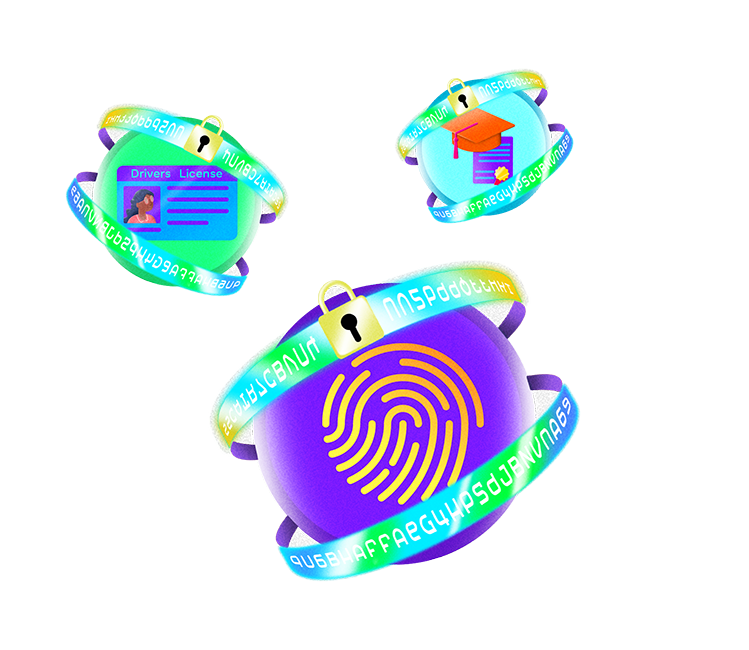
The ability to trade sophisticated financial products in a trustless environment is no longer theoretical, it’s here. As decentralized infrastructure improves, expect a surge in even more nuanced instruments, such as options, interest rate swaps, and volatility indexes.
Protocols like dYdX, GMX, and Synthetix continue to push boundaries. And as we’ll see, combining these with real-world assets and interoperable DeFi protocols multiplies the possibilities.
Real-World Assets (RWAs) on the Blockchain
Real-world assets, like real estate, bonds, or invoices, can now be tokenized and represented on-chain, leveraging XRPL’s native token standards like Multi-Purpose Tokens (MPTs) for efficient fungible issuances and NFTs for unique assets, along with compliance tools such as Clawback and Freeze to bring off-chain value into the blockchain ecosystem without added complexity.
For projects that want to take things even further, the XRP Ledger has expanded its core capabilities with additional innovations like the mid-2025 launch of an EVM-compatible sidechain. This sidechain expands options for developers, enabling smart contract flexibility to further enhance RWA tokenization and interoperability within the broader XRP ecosystem.
Bridging traditional and decentralized finance in this way offers benefits like increased liquidity, broader access, and 24/7 markets—features that conventional markets can’t yet match.

Composable Protocols: The “Money Legos” of DeFi
One of DeFi’s most powerful innovations is composability: the ability to stack protocols together like Lego bricks. This enables developers to build complex strategies or financial products using existing infrastructure.
For example, a user might deposit assets into Aave (a lending protocol), borrow against them, and then use those borrowed funds in Uniswap to execute trades — effectively creating a leveraged trading strategy. All of this happens programmatically, without intermediaries.
This modularity leads to faster innovation and more flexible financial tools. On the XRP Ledger, composability is enhanced by smart contract compatibility, especially with the new EVM sidechain, enabling XRP-based assets to interact with Ethereum-native protocols.
As DeFi grows, expect more seamless integration between protocols, assets, and chains: pushing DeFi toward becoming a truly unified financial layer for the internet.