Lesson 8
Security Best Practices for XRP
Protecting your XRP assets from fraud, loss, and security threats.

Security is crucial when dealing with XRP transactions. While the XRP Ledger (XRPL) offers fast and low-cost payments, users must take precautions to prevent fraud, accidental loss, and unauthorized access.
This guide covers essential security measures, including scam prevention, proper destination tag usage, multi-signature wallets, and recovery strategies to ensure the safety of XRP funds.
Avoiding Scams
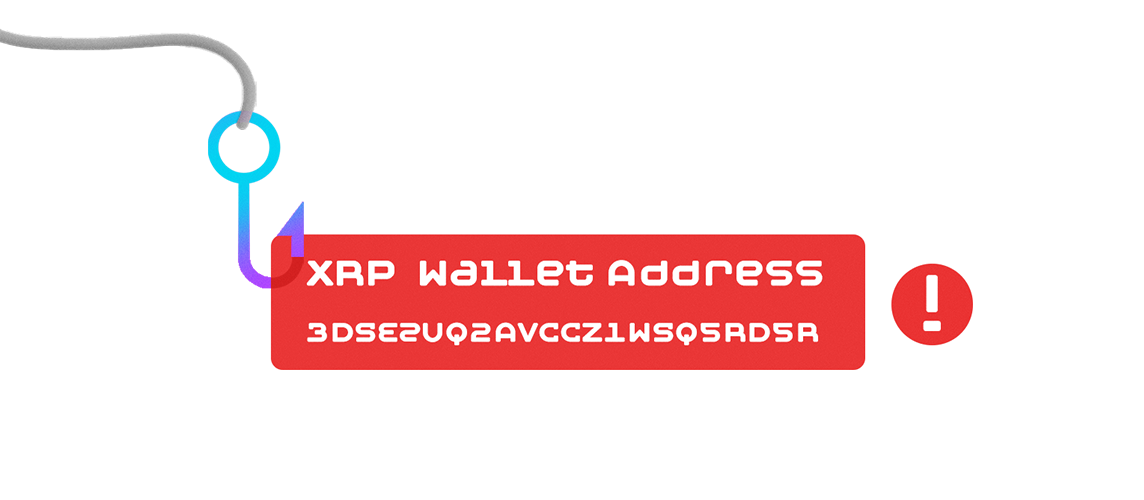
Fraudsters often target crypto users through scams and phishing attacks. Protect yourself by:
Address verification
Always double-check recipient addresses before sending XRP. A single wrong character can result in irreversible loss.
Phishing prevention
Only use official wallet websites and links. Be cautious of emails or messages requesting seed phrases or login details.
Never share private keys or seed phrases with anyone, as these provide full access to your funds!!
Destination Tags: Preventing Lost Funds
Many exchanges require destination tags to correctly process XRP deposits. Missing or incorrect tags can result in lost funds.
Correct usage
Always check whether the recipient requires a destination tag and enter it accurately.
Exchange withdrawals
Ensure you copy both the XRP address and the correct tag when transferring to an exchange.
Using incorrect tags may require lengthy support requests—or worse, permanent fund loss.

Multi-Signature Wallets
Multi-signature (multi-sig) wallets add an extra layer of security, especially for businesses and high-value transactions:
Setup
Requires multiple private keys to authorize a transaction, reducing the risk of a single compromised key leading to theft.
Use cases
Businesses, organizations, and high-net-worth individuals use multi-sig wallets for added security.
Enabling multi-signature authentication protects large XRP holdings from unauthorized access.
Recovery and Safety: Protecting Your Assets
Since the XRP Ledger is immutable, lost or mistakenly sent funds are nearly impossible to recover. While some exchanges or wallet providers may assist with recovery in specific cases (e.g., incorrect destination tags), this is not guaranteed and should not be relied upon
So, always take these precautions:
Lost funds
Transactions cannot be reversed once sent, reinforcing the importance of verifying recipient details.
Seed storage
Store your seed phrase securely offline, preferably in a fireproof safe or safety deposit box.
Hardware wallets
Use devices like Ledger or Trezor for long-term security and protection against online threats. With these hardware wallets, you can both hold XRP and transact with it. By implementing these best practices, users can significantly reduce the risk of financial loss and maintain control over their XRP assets.