Lesson 1
Introduction to Digital Identity
Reclaiming control in a world of centralized accounts

In the digital age, our identities are scattered across countless online accounts. Every time we sign up for a new service, we hand over personal data to corporations that store, manage, and often monetize that information. From email addresses and passwords to biometric data and financial details, centralized platforms currently serve as the gatekeepers of our digital selves.
This system carries significant risks, as a single data breach can expose sensitive information, leading to identity theft, impersonation, or worse. The more services we use, the more vulnerable we become.
The core issue? We don’t truly own our digital identities.
But what if that changed? What if individuals (instead of corporations) had full control over their identity data? Enter Self-Sovereign Identity (SSI): a digital identity model where individuals, rather than centralized platforms, generate and own their own identifiers.
Technologies like the XRP Ledger (XRPL) are now bringing SSI’s to life.
The Problem with Centralized Identity
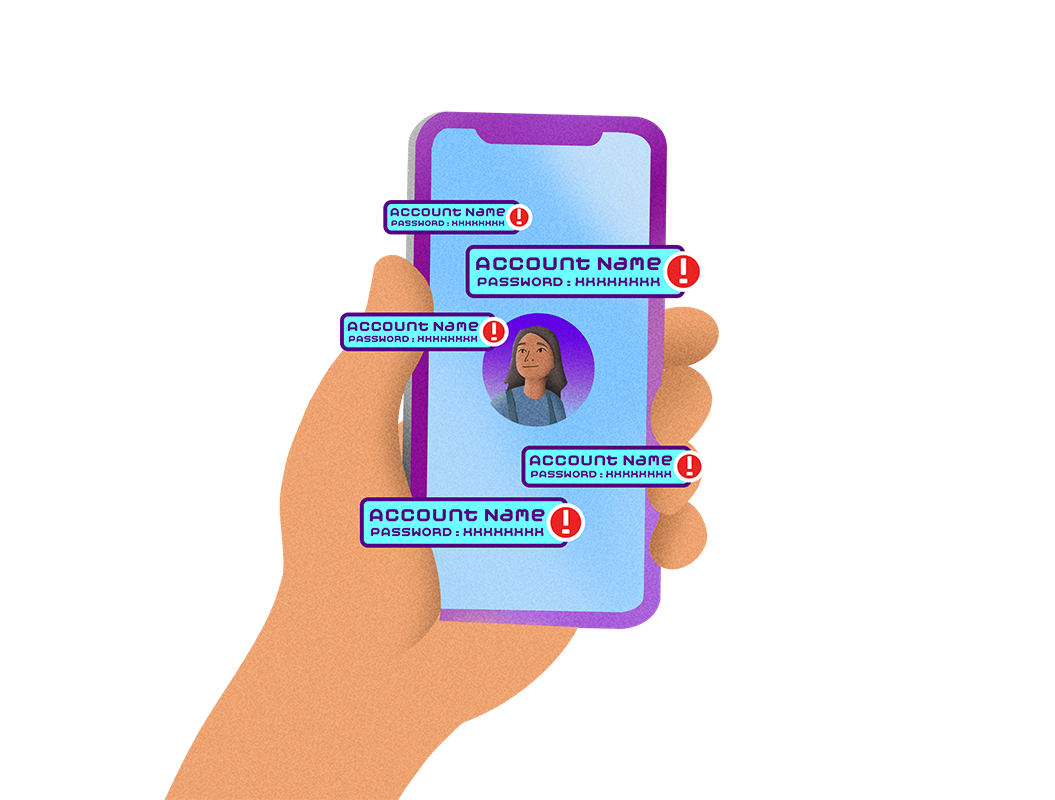
Today’s digital identity system is built on centralization. Whether it’s your bank, a social network, or your workplace HR platform, your identity data lives on servers controlled by third parties. These centralized databases become prime targets for hackers, and history has shown they’re frequently compromised.
When you use a password to log into a site, you’re relying on that site to keep your credentials secure. If it fails, your privacy is compromised. Even multi-factor authentication, while helpful, doesn’t solve the underlying issue: Your identity is stored and managed by someone else.
Moreover, centralized identity systems limit accessibility. If a service suspends or deletes your account, you may lose access to important resources with little recourse. In essence, you’re renting your digital presence from platforms that can revoke it at any time.
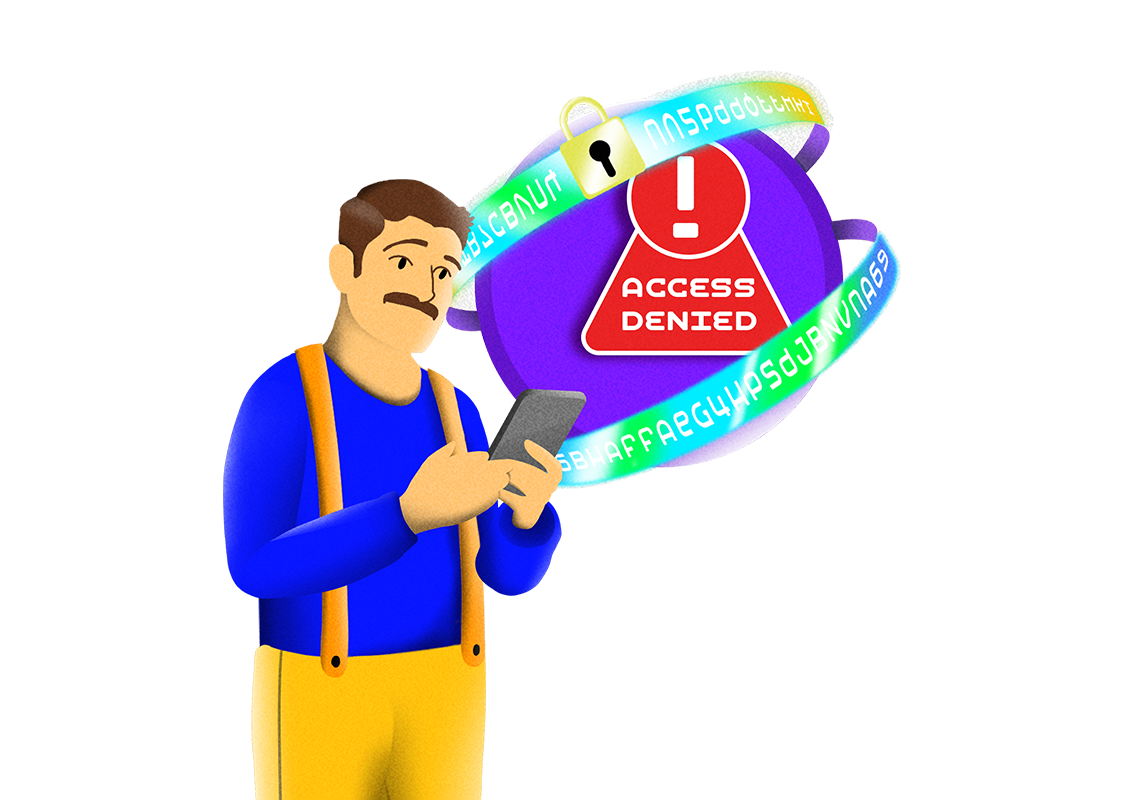
The impact of centralized identity control extends beyond inconvenience; it affects trust, autonomy, and even freedom. Whether it’s censorship, data exploitation, or exclusion from services, centralized identity systems often prioritize institutional interests over individual interests.
The next evolution of the online world demands something better: Self-Sovereign Identity leveraged using blockchain technology to enable people to own and control their digital identities without relying on third-party intermediaries.
The key differences of this can be summarized as follows:
| Aspect | Centralized identity today | Self-sovereign identity |
| Data storage | Held by the provider | In a user-controlled wallet or off-chain store |
| Control | Provider can revoke/lock accounts | User holds and manages their own credentials |
| Breach impact | Millions of records exposed per breach | Compromise is local to specific credentials |
| Login model | Username/password | Cryptographic proof via Decentralized Identifiers (DIDs) |
| Monetization | Platform monetizes user data | User chooses what to share and with whom |
Self-Sovereign Identity and Blockchain Technology
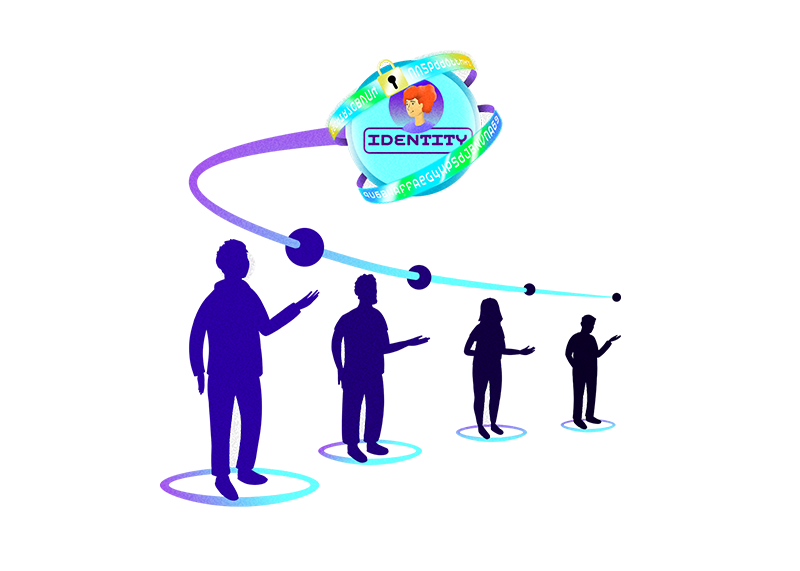
Self-Sovereign Identity (SSI) is built on a few core principles:
- Decentralization: Identity data isn’t stored by a single organization but distributed across systems that users control.
- User control: Individuals create, manage, and share their own identity credentials without relying on intermediaries.
- Verifiability: Credentials can be cryptographically checked by anyone to confirm authenticity without exposing extra personal data.
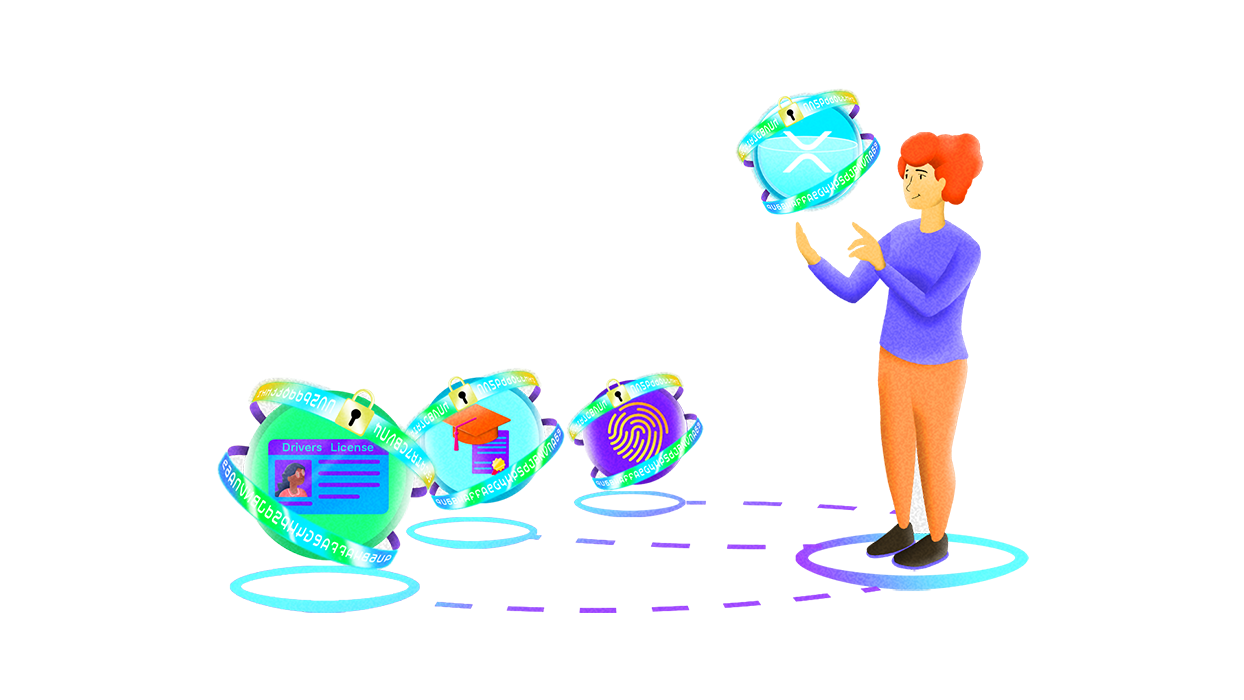
Instead of relying on centralized platforms to store and manage identity data, users generate their own cryptographic identifiers (called decentralized identifiers) and manage their credentials directly. In an SSI system, individuals hold verifiable proofs (such as a digital driver’s license or university degree) in secure digital wallets and share only the specific information needed for a given interaction.
For example, rather than logging into a site with a password, a user can present a signed credential from their wallet. The site verifies its authenticity through the blockchain, all without storing personal data or learning more than necessary. This selective-disclosure model reduces fraud, enhances privacy, and gives individuals greater control over their digital identities.
Blockchain plays a key role in enabling SSI. Its decentralized nature makes identity records tamper-resistant, transparent, and secure. And thanks to the XRP Ledger’s fast and low-cost technology, it’s now possible to anchor identities and verify credentials online.
Own Your Identity with SSI
Imagine a world where you no longer need to remember dozens of passwords, fill out endless forms, or trust companies to protect your data. Instead, you control your digital credentials, stored securely in your digital wallet, and use them as needed.
Applying for a loan? Share only the proof of income credential. Signing into a site? Use your decentralized ID. No passwords, no centralized risk, and no one collecting your data behind the scenes.
Blockchain technology underpins SSI by making identity data tamper-resistant, transparent, and secure. On fast, low-cost networks like the XRP Ledger, identities can be anchored and credentials verified in real time without relying on centralized providers.